
When life feels unmanageable, even the thought of starting therapy can seem overwhelming. It can feel like justonemorething on top of a heap of things that are not getting done. So is not unusual for people to delay seeking help because they feel stuck in a cycle of...
Psychotherapy

Therapy for the Overwhelmed – How to Begin When Everything Feels Too Much
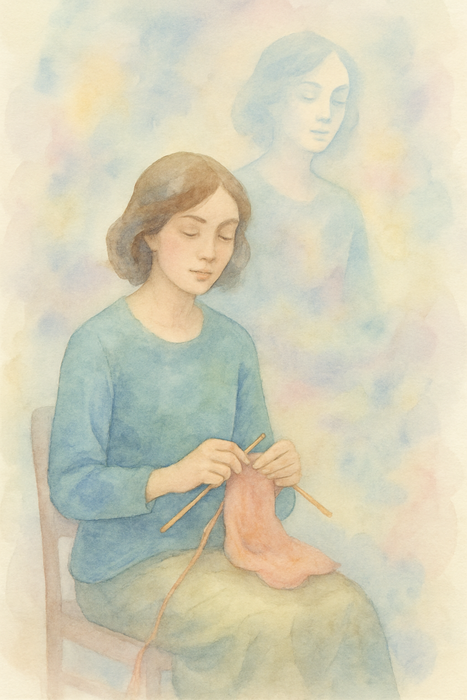
Is the Flow State a Form of Dissociation?
The flow state, described by Mihaly Csikszentmihalyi as “being completely involved in an activity for its own sake,” is often hailed as the pinnacle of human productivity and creativity. But from a psychotherapeutic perspective, it prompts a deeper question: is flow a...

Addicted to Anxiety by Owen O’Kane – A Balanced Review
Owen O’Kane’s Addicted to Anxiety: How to Break the Habit (2025) proposes that anxiety functions like an addiction. Behaviours and thought patterns that initially feel protective become cyclical habits that reinforce fear and avoidance. His framework is structured...

Is Computer Programming a Form of Dissociation or Avoidance?
Computer programming is often celebrated for its creativity, logic, and problem-solving elegance. But what happens when our immersion in code becomes so complete that it detaches us from our emotional or relational lives? Could it be that programming is, at times,...

Choosing the Right Psychotherapy Modality
Psychotherapy isn’t one-size-fits-all. With a range of modalities available—from Cognitive Behavioural Therapy (CBT) to psychodynamic, humanistic, integrative and relational approaches—selecting the right one can feel overwhelming. This guide will help you understand...

Understanding the Window of Tolerance in Trauma Therapy
The concept of the Window of Tolerance, developed by Dr. Dan Siegel, has become an essential framework in trauma-informed psychotherapy. It describes the optimal zone of arousal in which a person can function effectively, think clearly, and engage socially. For those...

Panic in the Therapy Room: Grounding vs. Internal Family Systems
When someone experiences a panic attack during therapy, the typical response is to help them “ground” — reconnecting with the present moment through the five senses, breathwork, or body awareness. This somatic approach often offers vital immediate relief. However, the...

Book Review: Mindsight by Daniel J. Siegel
Daniel J. Siegel’s Mindsight: The New Science of Personal Transformation (2010) presents a compelling integration of neuroscience and psychotherapy, grounded in what he terms interpersonal neurobiology. Aimed at both clinicians and lay readers, the book combines...

What Is Pesso Boyden Therapy? A Look at Its Role in Psychotherapy
What Is Pesso Boyden Therapy? A Look at Its Role in Psychotherapy Pesso Boyden System Psychomotor (PBSP) is a body-based therapeutic approach developed by dancer and therapist Albert Pesso and his wife Diane Boyden-Pesso in the 1960s. While rooted in psychotherapeutic...
To view the full article, just click on the article title (in dark blue.)