
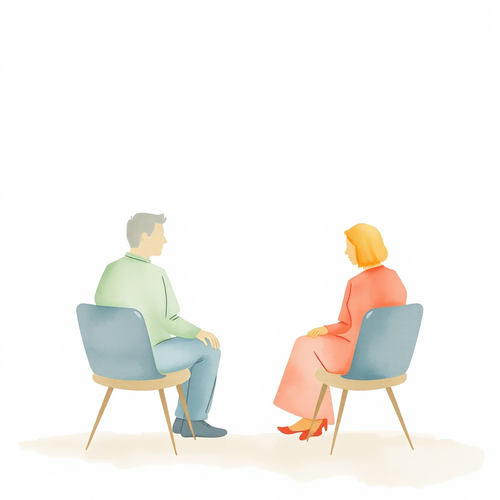
There are certain questions that seem so ordinary in therapy that they can easily pass unnoticed. “Do you feel safe?” is one of them. It is usually offered with care, sometimes gently, sometimes almost in passing. And for many people, it works well enough. But for...
Neurodivergence
When – Do You Feel Safe? – Doesn’t Quite Work

Do Neurodivergent Brains Function Differently?
It is common to hear that neurodivergent people “think differently” or that their brains are “wired differently”. Both phrases can be trying to name something real. Many autistic people, people with ADHD, dyslexia, dyspraxia or Tourette syndrome recognise enduring...
Can You Break an Exam into Smaller Chunks When You Feel Anxious?
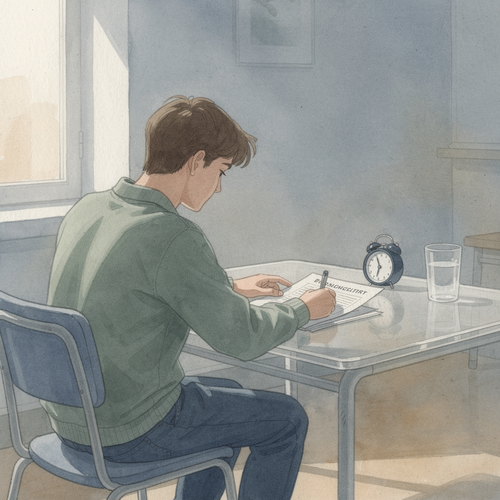
When exam anxiety rises, the difficulty is rarely only the questions on the paper. The whole occasion can arrive at once: the room, the clock, the sense of being judged, memories of previous results, worries about disappointing someone, and the frightening thought...

How Online Booking Systems Can Improve Accessibility for Neurodivergent Clients
For many neurodivergent people—particularly those with ADHD, autism, or social anxiety—the process of arranging therapy can be daunting. Traditional booking methods often involve making a phone call, navigating conversation scripts, and responding spontaneously under...

How Online Booking and In-Person Meetings Support Neurodivergent Clients
How Online Booking and In-Person Meetings Can Support Neurodivergent Clients Neurodivergent individuals, including those with autism, ADHD, and other cognitive variations, often face unique challenges when navigating traditional methods of interaction. In...
What Is Stimming and How Can It Help Neurodivergent People?
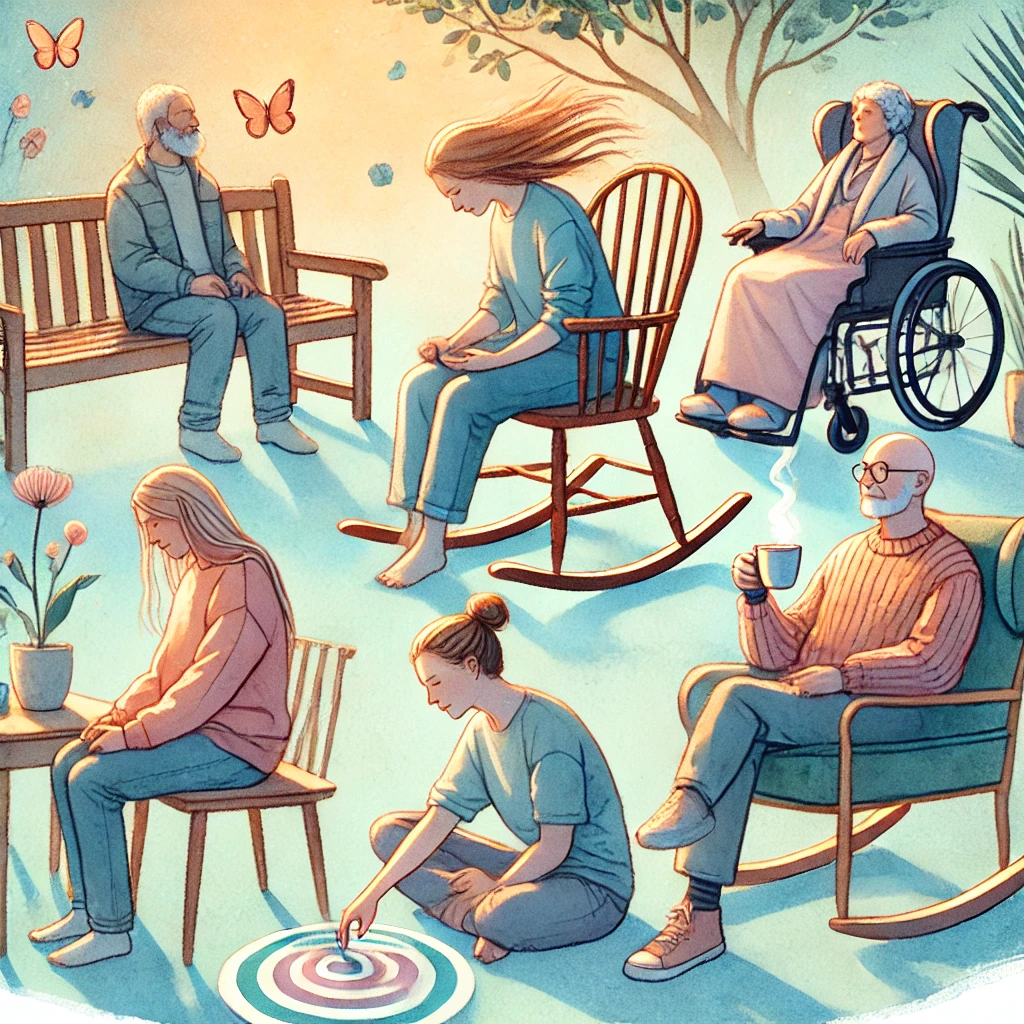
Often neurodivergent clients engage in behaviours known as “stimming.” Stimming, short for self-stimulatory behaviour, can include a wide range of actions like hand-flapping, rocking, spinning, or repeating words and sounds. While these behaviours are most commonly...
To view the full article, just click on the article title (in dark blue.)