
There is a particular kind of pain in being criticised by your own mind before anyone else has spoken. You make a small mistake at work, and the thought arrives almost instantly: “Idiot. You keep getting it wrong.” You forget to reply to a message and think, “You’re...
Mental Health Tips

Why Am I So Hard on Myself?

Why Therapy Is More Than Finding the Right Label
Many people come to therapy with a question that looks something like this: “What is wrong with me?” Often underneath that question is a hope that there will be a name for what they are experiencing, and that the name will make everything make sense. Sometimes that...

What If My Coping Strategy Used to Be Brilliant?
People often come to therapy describing their own behaviour as a problem to be fixed. “I’m too avoidant.” “I people-please too much.” “I can’t let anyone in.” “I’m always overthinking.” “I’m too controlling.” These descriptions are usually said with frustration or...

What If I Cannot Explain What I Feel?
A common worry about starting therapy is that you will be expected to sit down and say exactly what is wrong in articulate, emotional language. For some people, this is already manageable. They can describe feeling low, anxious, angry, or ashamed with reasonable...

What If Eye Contact Feels Too Intense?
Often eye contact is treated as a sign of attention, respect and honesty. Therapists are often trained to use it as a way of communicating presence. Yet for many people, direct eye contact does not feel neutral. It can feel intrusive, exposing, overstimulating, or...
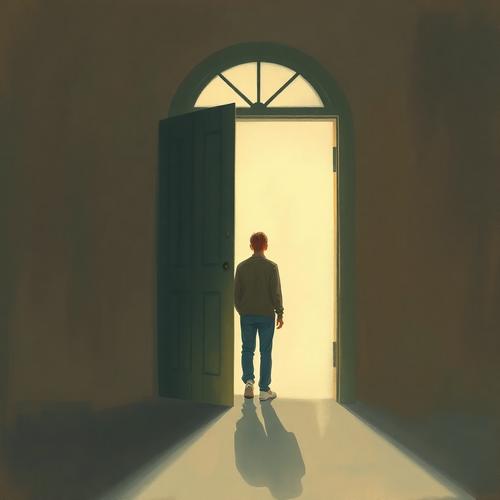
Is My Problem Serious Enough for Therapy?
A common barrier to starting therapy is the thought: “Other people have it worse.” You may look at your life and decide that your distress is not dramatic enough, not traumatic enough, or not unusual enough to justify seeking help. This thought can be surprisingly...

When Anger Is Trying to Protect Something Tender
Anger is often spoken about as if it is mainly a difficulty to be managed. We hear about anger management, anger issues, angry outbursts, angry people. Of course anger can become harmful. It can be used to intimidate, control, punish or avoid responsibility. When...
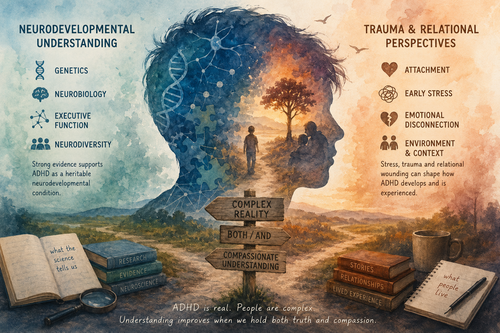
Concerns About Gabor Maté’s Teachings Among People with ADHD
Gabor Maté continues to have a strong influence on trauma-informed psychotherapy. His work on addiction, attachment, trauma, stress, and emotional development has resonated deeply with many people seeking alternatives to purely biomedical explanations of psychological...

Why Questions Feel Like Criticism in the Schizoid Process
People whose internal world is organised around a schizoid process [this is jargon for people who need a lot of safety in their life] often experience ordinary questions as criticism. This reaction is not about being ‘overly sensitive’, nor is it a sign of...
To view the full article, just click on the article title (in dark blue.)