
Selfobjects and Developmental Trauma: A Self Psychological Perspective
Developmental trauma is increasingly understood not only as the result of overwhelming events, but also as the consequence of chronic relational failures during early life. From a self psychological perspective, trauma arises when essential selfobject needs are...
Reading on Bisexuality for Mental Health Professionals
Reading on Bisexuality for Mental Health Professionals Despite increased LGBTQ+ visibility, bisexual people continue to experience distinct forms of marginalisation. Research consistently demonstrates elevated rates of anxiety, depression, and minority stress among...
How the Idea of Conscience in Human Beings is Reflected in the Structure of AI
I enjoy the use of analogies. For me they work not because of an exact correspondence, but the similarities and differences often help with an understanding of one or both sides of the analogy. In this, the result of a recent conversation with AI, I was able to learn...
Kohut’s Self Psychology and the Role of Selfobjects in Psychological Wellbeing
Heinz Kohut’s self psychology represents a significant shift within psychoanalytic thought, moving the focus from instinctual drives and conflict towards the development, cohesion, and maintenance of the self. This contrasts strongly with writers such as Jung and...
Eco-Anxiety and Climate Grief – How Psychotherapy Can Help in a Changing World
As the realities of climate change become increasingly difficult to ignore–increasing average global temperatures, increasing sea-level, more extreme weather–many people are experiencing profound emotional responses to environmental degradation, biodiversity loss, and...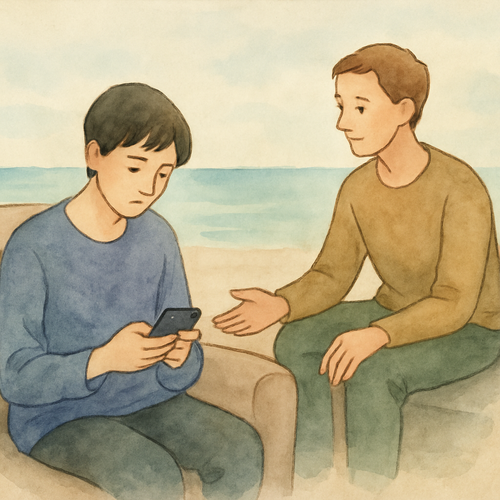
A Relational, Humanistic Critique of the “Dopamine Hole”
A Relational, Humanistic Critique of the “Dopamine Hole” SEO meta description A concise relational, humanistic critique of the popular “dopamine hole” self-help video from Newel of Knowledge, exploring what it gets right, what it oversimplifies, and how people in...
Autonomy, Alignment, and the Psychotherapy of Systems
The emergence of artificial intelligence that can update itself, modify internal models, and act with partial autonomy raises a set of questions that sound surprisingly familiar to psychotherapists. Concerns about misalignment, harmful optimisation, or systems losing...
Reviewing Therapy for Perverts, Weirdos and Crazy Cat People
This article offers a reflective review of Therapy for Perverts, Weirdos and Crazy Cat People: A Lived Experience Introduction to Gestalt Therapy by John Gillespie, an independently published introduction to Gestalt therapy rooted firmly in lived experience. I was...
Understanding and Treating Chronic Shame – Reflections from a Relational Therapist
Introduction Working with clients who carry a persistent sense of shame often reveals how deeply these experiences are rooted in early relational patterns. Patricia DeYoung’s Understanding and Treating Chronic Shame (2015) offers a thoughtful and clinically grounded...
Being in the “I’m OK, You’re OK” Life Position When In-Laws Sabotage Gifts
Introduction This Christmas, a friend made a lovely gift for her son-in-law. When he showed it to his parents they deliberately broke it. Now, Christmas gatherings can often amplify long-standing relational patterns. When in-laws deliberately damage or sabotage a gift...Recent Posts
- Selfobjects and Developmental Trauma: A Self Psychological Perspective

- Reading on Bisexuality for Mental Health Professionals

- How the Idea of Conscience in Human Beings is Reflected in the Structure of AI

- Kohut’s Self Psychology and the Role of Selfobjects in Psychological Wellbeing
- Eco-Anxiety and Climate Grief – How Psychotherapy Can Help in a Changing World