Book Review: Mindsight by Daniel J. Siegel
Daniel J. Siegel’s
Mindsight: The New Science of Personal Transformation (2010) presents a compelling integration of neuroscience and psychotherapy, grounded in what he terms
interpersonal neurobiology. Aimed at both clinicians and lay readers, the book combines scientific insight with personal stories, offering a toolkit for increasing emotional awareness, resilience, and relational depth.
What Is Mindsight?
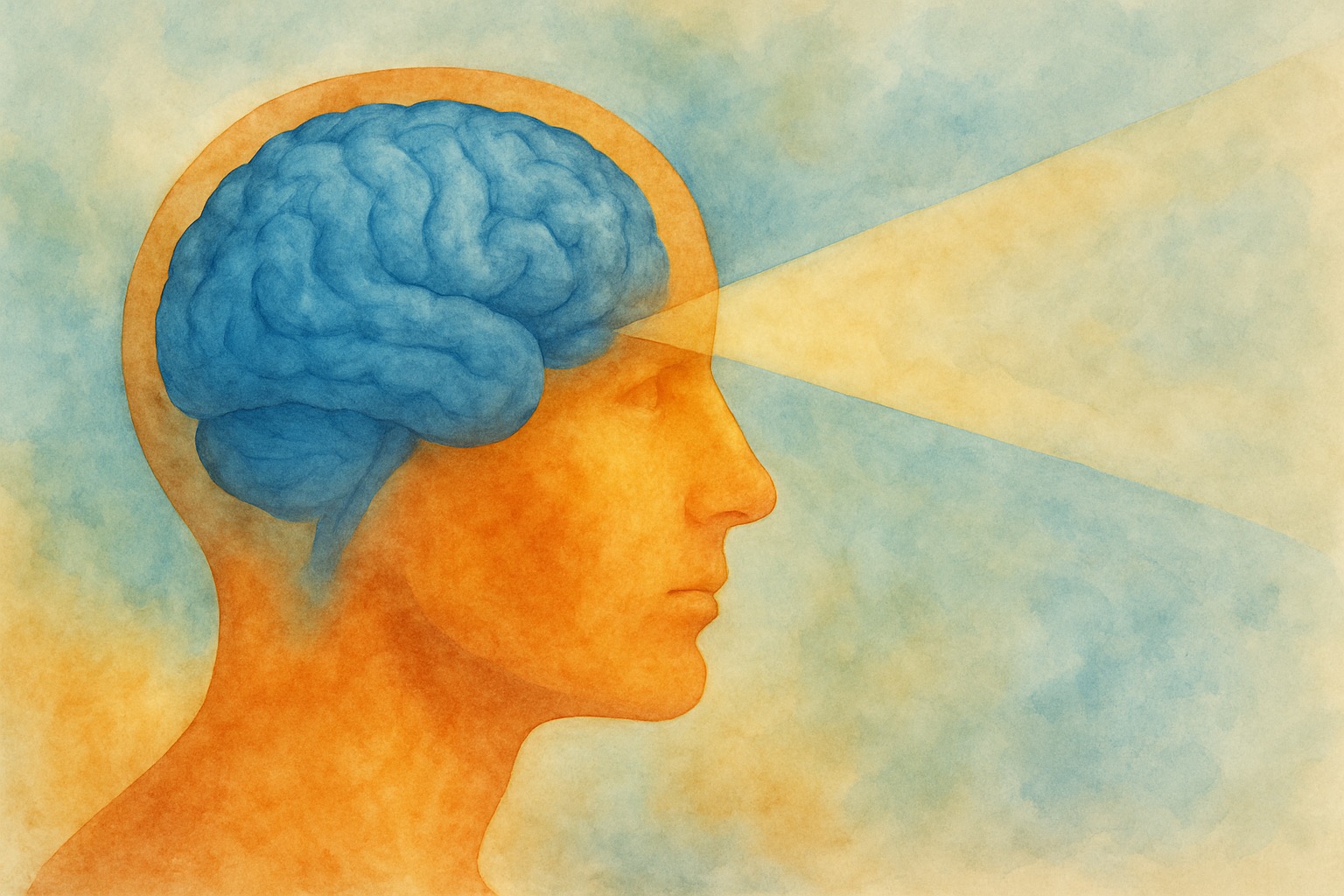
Mindsight, as Siegel defines it, is “a kind of focused attention that allows us to see the internal workings of our own minds.” It’s the capacity to perceive one’s own thoughts, emotions, and bodily sensations, and in doing so, to influence and transform them. Central to the concept is the integration of various domains of brain function—what Siegel calls
integration—which leads to mental health.
Key Themes
1. Integration as Mental Health
Drawing on neurobiological research, Siegel argues that the well-being of the mind emerges from the integration of the brain’s various parts. Where integration is impaired—whether through trauma, developmental misattunement, or chronic stress—mental health issues can emerge. Mindsight enables the re-integration of dissociated parts, whether emotional or cognitive.
2. The Triune Brain and the Window of Tolerance
Siegel weaves in his earlier models of brain structure, such as the “hand model” of the brain, to illustrate how the prefrontal cortex supports regulation of the more primitive limbic and brainstem regions. He introduces the concept of the
Window of Tolerance—the optimal zone where a person can function without becoming either hyper-aroused or hypo-aroused. Mindsight practices help to widen this window, increasing emotional resilience.
3. Case Studies and Clinical Application
The book is rich with case studies—from a woman with a personality disorder to a man with a traumatic brain injury—demonstrating how mindsight helps clients reconnect with suppressed or fragmented aspects of their experience. These vignettes serve to ground Siegel’s theoretical insights in relatable, often moving narratives.
Strengths of the Book
- Accessibility: Siegel translates complex neuroscience into language that is digestible without oversimplifying.
- Relevance to Therapy: For practitioners of relational or trauma-informed psychotherapy, the mindsight approach offers a framework for supporting clients in developing self-awareness and internal coherence.
- Mind-Body Integration: The emphasis on the embodied mind aligns well with somatic approaches and polyvagal theory, making it highly complementary to contemporary trauma therapy models.
Criticisms and Limitations
While highly valuable,
Mindsight occasionally overreaches in its claims, presenting integration as a near-universal cure. Readers looking for more rigorous discussion of empirical support may find the balance of anecdote to data a little uneven. Furthermore, the language of “retraining the brain” may risk simplifying the complex relational dynamics involved in therapy.
Why It Matters
Mindsight invites readers—therapists and clients alike—into a more compassionate and neurologically informed relationship with their own minds. It positions attention as an agent of change, and in doing so, bridges the gap between inner experience and neurobiological functioning.
For therapists, it offers not only insight but practical language for discussing neuropsychological processes with clients. For clients, it offers hope that change is not only possible but within reach—through mindfulness, relational attunement, and the cultivation of curiosity toward the self.
Final Thoughts
Daniel J. Siegel’s
Mindsight is a landmark contribution to the field of psychotherapy and neurobiology. It makes the case that healing is not about fixing what’s broken, but about reconnecting what has been disconnected—within the mind, within the body, and between people.
References
Siegel, D. J. (2010).
Mindsight: The new science of personal transformation. New York: Bantam Books. ISBN: 9780553804706
Further Resources
- Siegel, D. J. (2012). The Developing Mind: How Relationships and the Brain Interact to Shape Who We Are. 2nd ed. Guilford Press. ISBN: 9781462520671
- Interpersonal Neurobiology resources: https://www.drdansiegel.com/
- “Window of Tolerance” model explained: https://www.nicabm.com/trauma-how-to-help-your-clients-understand-their-window-of-tolerance/
Published: 6 June 2025
Last updated: 1 August 2026
The ideas, ownership and copyright of this post are the author's. The article may have been drafted with AI assistance.