
I enjoy the use of analogies. For me they work not because of an exact correspondence, but the similarities and differences often help with an understanding of one or both sides of the analogy. In this, the result of a recent conversation with AI, I was able to learn...
Psychotherapy

How the Idea of Conscience in Human Beings is Reflected in the Structure of AI

Eco-Anxiety and Climate Grief – How Psychotherapy Can Help in a Changing World
As the realities of climate change become increasingly difficult to ignore–increasing average global temperatures, increasing sea-level, more extreme weather–many people are experiencing profound emotional responses to environmental degradation, biodiversity loss, and...

Autonomy, Alignment, and the Psychotherapy of Systems
The emergence of artificial intelligence that can update itself, modify internal models, and act with partial autonomy raises a set of questions that sound surprisingly familiar to psychotherapists. Concerns about misalignment, harmful optimisation, or systems losing...

Understanding and Treating Chronic Shame – Reflections from a Relational Therapist
Introduction Working with clients who carry a persistent sense of shame often reveals how deeply these experiences are rooted in early relational patterns. Patricia DeYoung’s Understanding and Treating Chronic Shame (2015) offers a thoughtful and clinically grounded...

Why Questions Feel Like Criticism in the Schizoid Process
People whose internal world is organised around a schizoid process [this is jargon for people who need a lot of safety in their life] often experience ordinary questions as criticism. This reaction is not about being ‘overly sensitive’, nor is it a sign of...
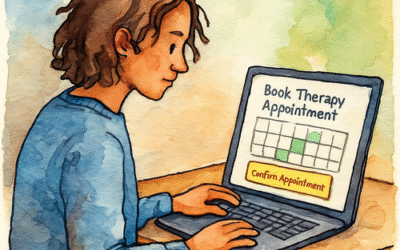
How Online Booking Systems Can Improve Accessibility for Neurodivergent Clients
For many neurodivergent people—particularly those with ADHD, autism, or social anxiety—the process of arranging therapy can be daunting. Traditional booking methods often involve making a phone call, navigating conversation scripts, and responding spontaneously under...

What Are the Advantages and Disadvantages of Self-Identifying as ADHD
Self-identifying as having Attention-Deficit/Hyperactivity Disorder (ADHD) means recognising in yourself a pattern of symptoms that seems to fit ADHD and using that label personally—often before (or instead of) a formal clinical diagnosis. In the UK, formal diagnosis...

Another Thought about Why We Put Things Off
Often when I really need to get something done I find that I don’t. Having spoken with many people, I find that there is a familiar set of circumstances: the creeping delay, the mental circling, the sudden urge to tidy the kitchen instead of starting the task that...

Therapy for the Overwhelmed – How to Begin When Everything Feels Too Much
When life feels unmanageable, even the thought of starting therapy can seem overwhelming. It can feel like justonemorething on top of a heap of things that are not getting done. So is not unusual for people to delay seeking help because they feel stuck in a cycle of...
To view the full article, just click on the article title (in dark blue.)